
IOC Editorial & Medical Information TeamPrepared with more than 22 years of bariatric-centre experience and checked against the official sources listed below. See our review process.
Instructions from your own surgical or prescribing team take priority over this general guide. Contact local emergency care for severe or rapidly worsening symptoms.
Key takeaways
- A leak test checks the staple line at a specific moment during surgery.
- A negative test reduces uncertainty but cannot guarantee that a delayed leak will not occur.
- Fast heart rate, fever, breathlessness or worsening abdominal or shoulder pain after surgery need urgent clinical assessment.
What is a sleeve leak?
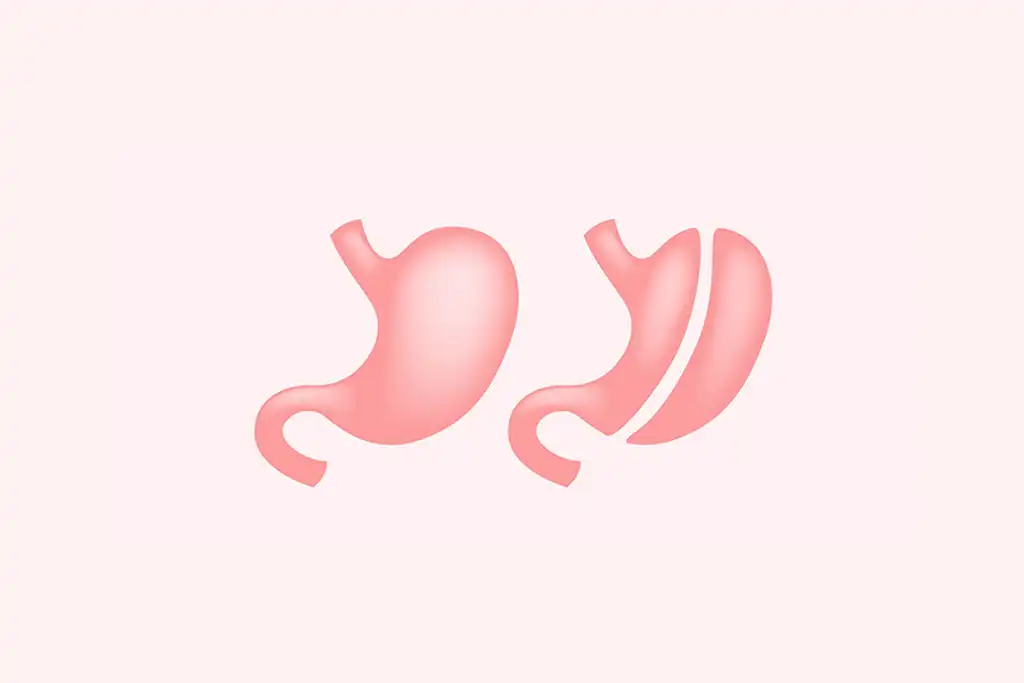
A leak occurs when stomach contents or fluid escape through a weakness in the new staple line. It is uncommon but potentially serious because it can lead to infection, an abscess or sepsis and may require drainage, endoscopy, further surgery, antibiotics and nutritional support.
How surgeons test the staple line
During surgery the team may fill the stomach with coloured liquid or introduce air while the staple line is under fluid, then look for escape. Some pathways use endoscopy or another method depending on the surgeon and hospital protocol.
The test is one element of safety. Stapler selection, tissue handling, blood supply, avoiding narrowing and post-operative monitoring also matter.
Why a negative test is not a guarantee
A test reflects conditions at that moment. Tissue swelling, reduced blood supply or pressure later in recovery can contribute to a delayed problem. This is why discharge information and access to clinical advice remain essential even after an uneventful operation.
How a suspected leak is assessed
Symptoms and vital signs guide urgent assessment. Blood tests and contrast imaging may be used, but the treating team decides the sequence. A single normal result may not end the investigation when symptoms remain concerning.
Warning signs after gastric sleeve
Contact the surgical team urgently for a persistently fast heart rate, fever, increasing abdominal or left shoulder pain, breathlessness, chest pain, confusion, faintness or inability to drink. Call local emergency services for severe or rapidly worsening symptoms; do not wait for a routine online reply.
Understand our gastric sleeve safety pathway
Meet the surgeon, review the hospital stay, inclusions and one-year aftercare.
Open treatment pageFrequently asked questions
Does every surgeon perform the same leak test?
No. Techniques and protocols vary. Ask your surgeon what is used and how post-operative warning signs are monitored.
Can a leak happen after a negative test?
Yes. A negative intra-operative test is reassuring but cannot exclude a delayed tissue or staple-line problem.
When do sleeve leaks occur?
Timing varies. Any concerning symptom in the early or later recovery period deserves prompt assessment rather than self-diagnosis.
Is severe shoulder pain normal after sleeve surgery?
Mild gas-related discomfort can occur, but new, severe or worsening shoulder pain—especially with fever, fast heart rate or breathlessness—needs urgent advice.
Sources
This article was checked against the following official clinical and regulatory sources at its latest update.
NHS — Weight-loss surgeryASMBS — Sleeve gastrectomy