Surgery & hospital
- Laparoscopic sleeve gastrectomy
- General anaesthesia and operating theatre
- 2 nights in a private hospital room
- Pre-operative blood tests, ECG and ultrasound
- Written discharge plan and surgeon review

A limited-time gastric sleeve package led by Dr Kenan Afilitak, with surgery, 2 hospital nights, 1 hotel night, private transfers and one year of dietitian follow-up.
 Illustrative consultation scene
Surgery, 2 hospital nights, 1 hotel night, private transfers and 1 year of dietitian follow-up.
For clinically accepted, uncomplicated primary cases. Offer availability, dates and final price are confirmed in your written quote. Flights and other excluded costs are not included. Base your decision on medical assessment.
Package & availability detailsYour gastric sleeve in Turkey package is itemised and confirmed in writing before you book.
Detailed cost guide: Compare gastric sleeve Turkey costs and exclusions
Ask people who have actually lived through the process about preparing for surgery, travelling to Istanbul, hospital care, recovery and life after gastric sleeve.
Join the IOC WhatsApp groupThe group is for peer experience, not medical advice. Your WhatsApp profile information may be visible to other members.Results vary from person to person. Images do not promise a specific amount of weight loss or medical outcome.


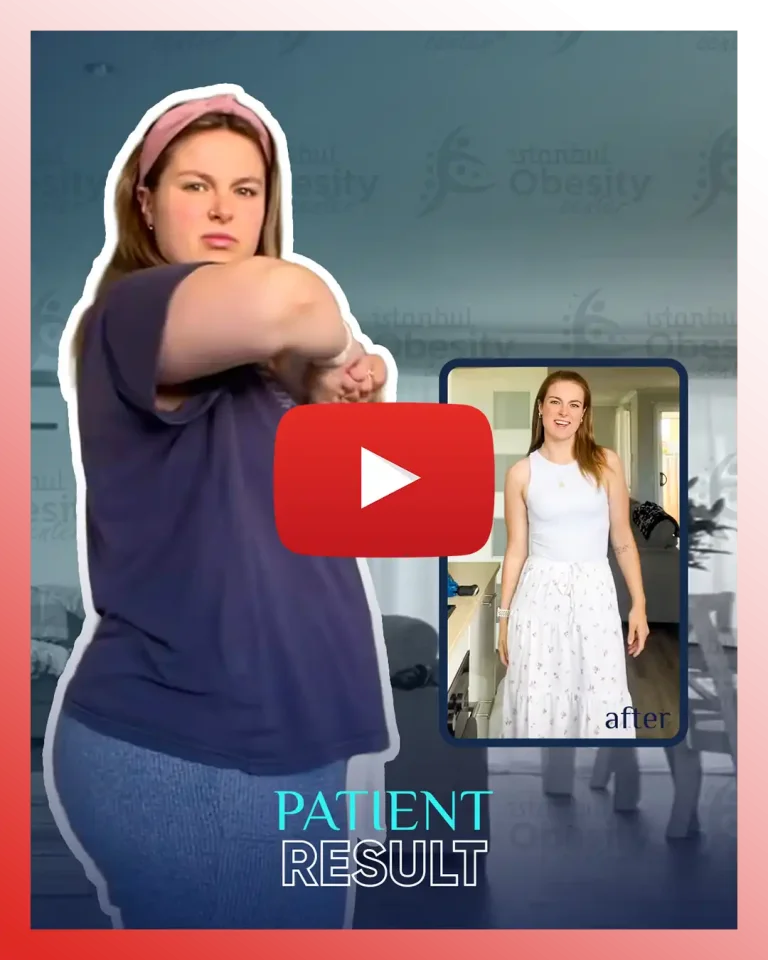
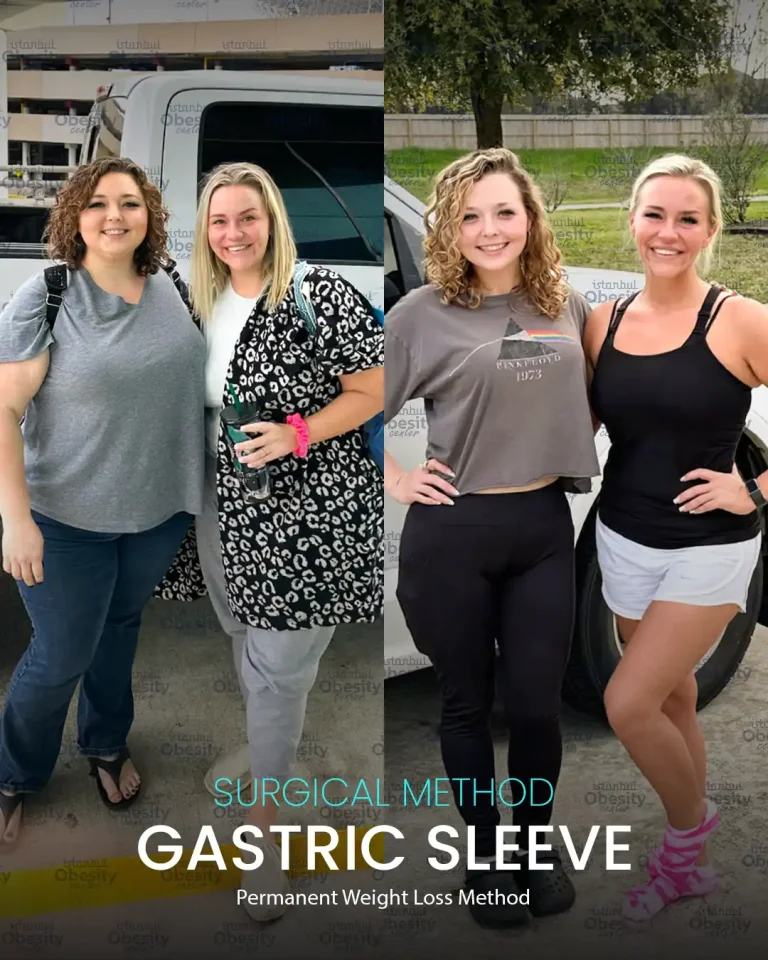

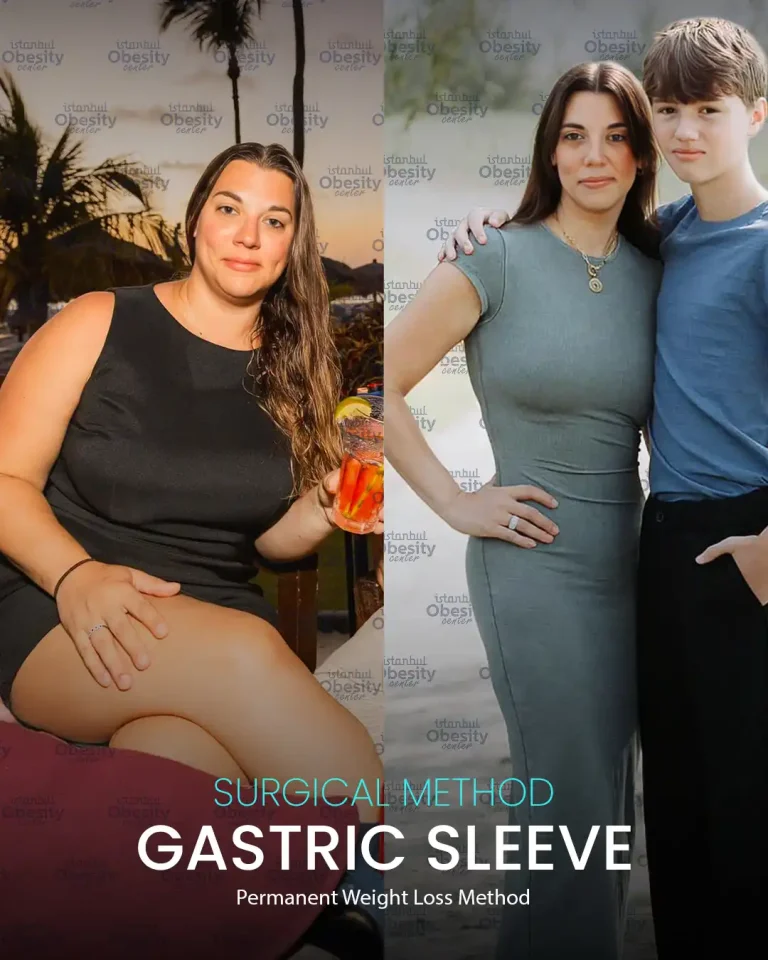
Permission to share a photograph does not mean starting measurements, elapsed time or follow-up details may also be published. We publish only details whose sharing scope is confirmed and do not estimate missing clinical data.
View all gastric sleeve before & after results Google Reviews
Read current ratings and patient experiences directly on Google.
Open Google reviews
Review positive and critical experiences on the verified source page.
Open TrustpilotSummarise BMI, related conditions, reflux, previous surgery and readiness for long-term follow-up in four short steps. The tool does not diagnose or approve surgery.
Screening references: NICE NG246 ASMBS/IFSO
Sleeve gastrectomy is a permanent bariatric operation in which around 80% of the stomach is removed, leaving a narrower sleeve-shaped stomach. The intestines are not rerouted, so food continues along the natural digestive route.
The smaller stomach supports fullness after smaller portions. Effects on hunger and metabolism are not explained by stomach size alone, but surgery remains a tool used alongside nutrition, movement and long-term clinical follow-up—not a stand-alone cure.
Suitability is not decided by BMI alone. NICE recommends specialist bariatric assessment for adults with a BMI of 40 or more, or 35–39.9 with a significant health condition that could improve with weight loss. Some international guidance may consider lower thresholds in selected people.
Weight-management history and previous attempts
Type 2 diabetes, blood pressure, sleep apnoea and joint problems
Reflux, stomach conditions and previous operations
Current medicines and anaesthetic risk
Nutrition status and eating patterns
Readiness for long-term follow-up and lifestyle change
An online form or BMI result is not surgical approval. The final decision follows surgeon and anaesthetic review plus the tests required for your case.
No operation or destination is automatically safe. Personal risk depends on your health, the right procedure, surgeon and hospital experience, a documented complication plan, enough time in Turkey and follow-up after you return home.
Many patients may lose around 60–70% of excess weight during the first 12–18 months. Type 2 diabetes, high blood pressure, sleep apnoea, mobility and quality of life may improve, but outcomes vary and cannot be guaranteed.
Detailed safety guide: Risks, death-rate context and provider checklist

Fluids and short walks begin when the clinical team considers it safe. Food is advanced in stages to protect healing. Timing can vary with your individual recovery, so your discharge plan always takes priority.
Water and clear or protein-containing fluids approved by the team.
Smooth, small portions eaten slowly.
A gradual move to protein-first, easy-to-chew options.
Long-term portions and supplements guided by your dietitian.
The purpose is not to recommend one option to everyone, but to make anatomy, permanence and the questions that need clinical discussion visible.
The least invasive or most powerful-looking option is not necessarily the right one for every person. Reflux, diabetes, previous surgery, medicines, nutritional risk and ability to maintain follow-up are assessed together.
Clinical decision reference: NICE NG246
The stages are a general roadmap. Your timing depends on operative findings, fluid tolerance, related conditions and the discharge plan given to you.
Medicines, smoking or nicotine, current conditions and any prescribed liver-reduction diet are planned individually by the team.
Observation, pain and nausea control follow anaesthesia; movement begins when the clinical team considers it safe.
Small sips, short walks and discharge criteria are assessed by the hospital team.
Water and clear or protein-containing fluids specified by the team, with intake and tolerance as priorities.
Protein-first smooth options and slow intake according to Aylin Demir’s individual plan.
New textures are tested one at a time in small portions while avoiding rushed eating and protecting fluid intake.
Protein, portions, movement, supplements and personal tolerance are adjusted with the dietitian.
Monitoring covers vitamins and minerals, muscle-loss risk, reflux and sustainable habits—not only the weight curve.
Supplements, blood tests and signs of weight regain remain part of long-term care.
 Illustrative editorial visual
Dr Kenan Afilitak is the planned lead surgeon at Istanbul Obesity Center, focused on general surgery, bariatric surgery and laparoscopic procedures.
Our centre has focused on obesity care for more than 22 years. Your procedure plan, responsible surgeon and proposed hospital are confirmed in writing before booking.

Communication support from admission to discharge.
The official hospital name, room plan and hotel details proposed for you are confirmed in your written treatment plan before booking.
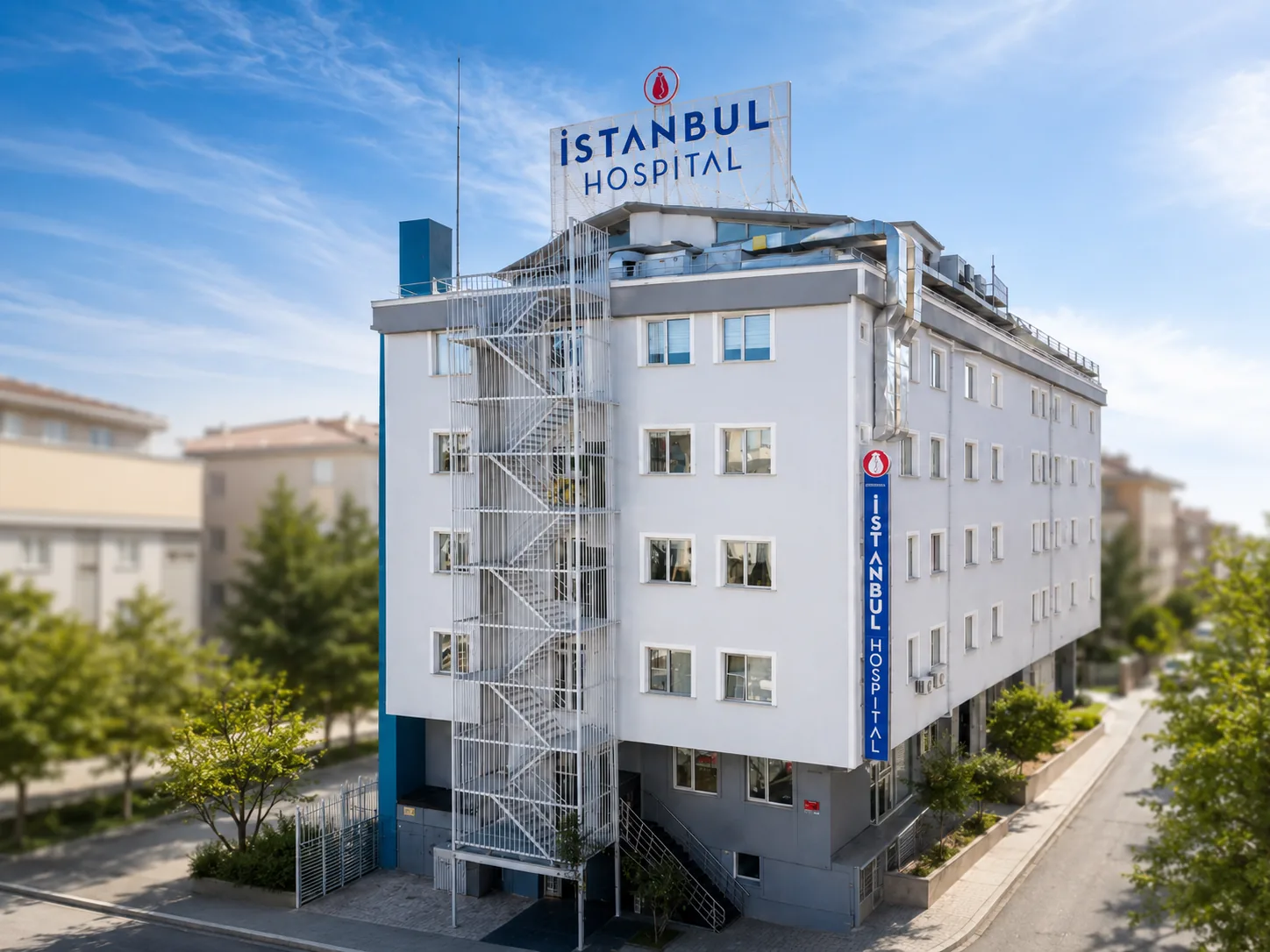 Illustrative visual
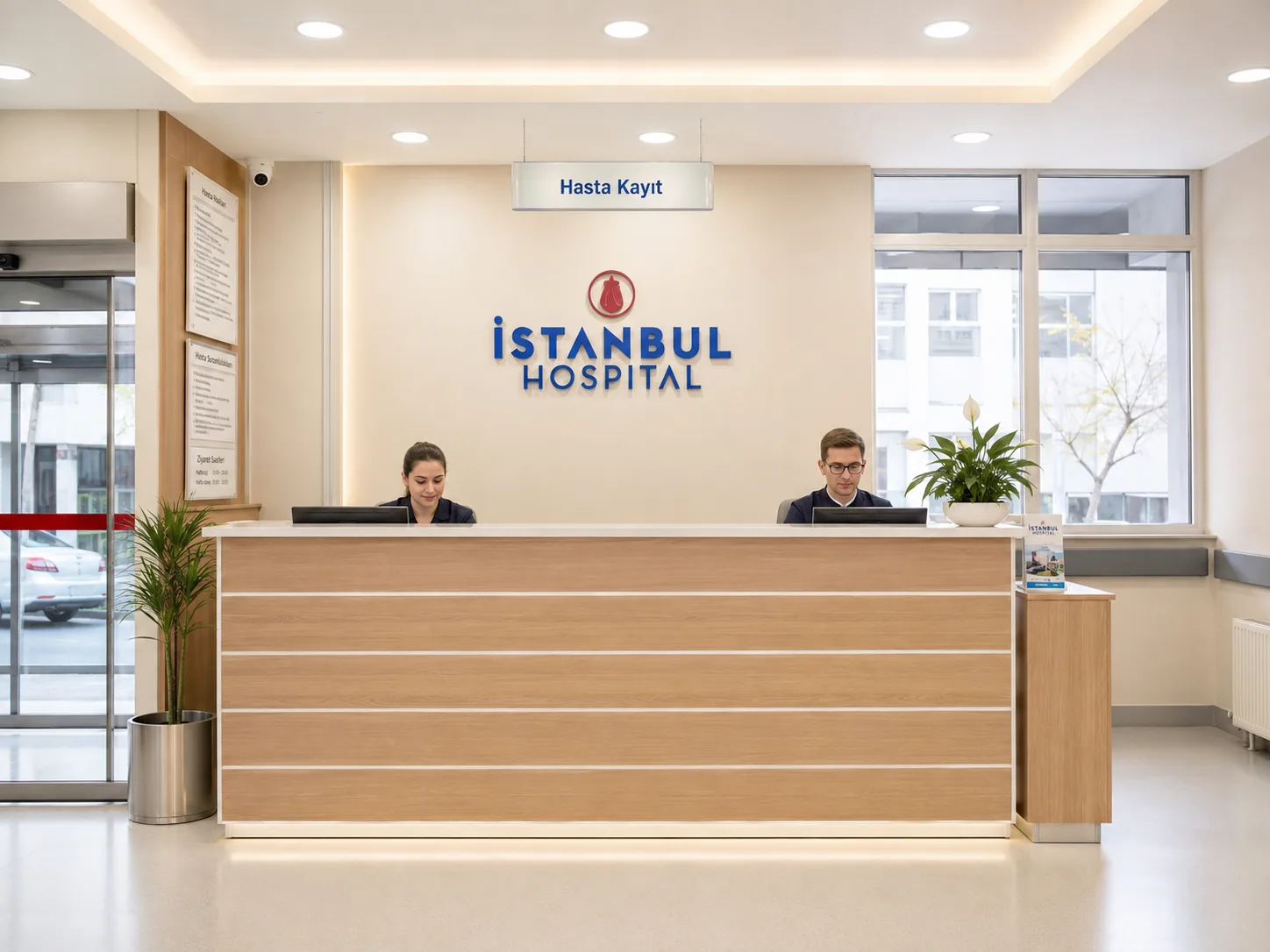 Illustrative visual
 Illustrative visual
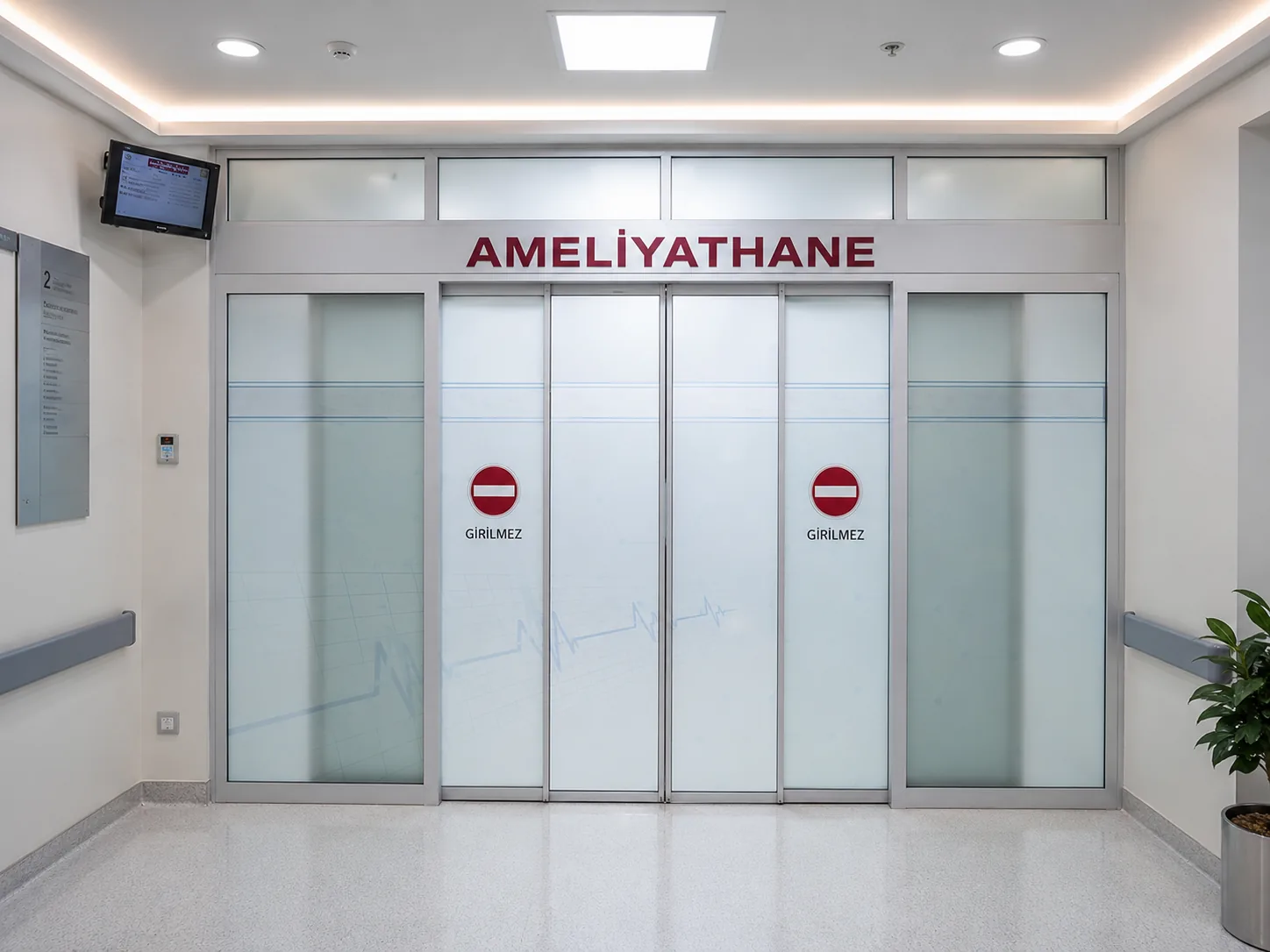 Illustrative visual
 Illustrative visual
 Illustrative visual

Images marked as illustrative show the expected care environment and are not photographs of a named facility. You should receive the surgeon’s name, official hospital name, current applicable licence or accreditation documents, room plan, package inclusions, escalation plan and follow-up contacts in writing.
BMI is only one part of a gastric sleeve assessment. Use the result as a starting point for a conversation about your medical history.
Enter your height and weight for a screening BMI estimate.
BMI is a screening measure, not a diagnosis or a decision about surgery. Medical history, related conditions, nutrition, previous weight-management attempts and surgeon assessment are also required.
This is an example itinerary. Your final travel and treatment plan follows clinical assessment.
Airport welcome, private transfer and travel to the hospital or hotel according to your written plan.
Blood tests, ECG, ultrasound, anaesthetic and surgeon review are completed before surgery for accepted patients.
Fluids, mobilisation, pain control and clinical observation progress according to your individual recovery.
Move to the partner hotel after discharge, then complete your final check and receive a written care plan.
Continue with dietitian guidance, coordinator contact and remote surgical follow-up when required.
Leave with your discharge summary, operation record, medicine list, test results, surgeon and hospital details, plus routine and urgent contact routes. Seek urgent medical help for symptoms such as severe abdominal pain, breathlessness, a fast heart rate, fever, persistent vomiting or inability to keep fluids down.
Type a word or choose a topic covering price, surgeon, safety, reflux, nutrition, recovery and aftercare.
Price, provider choice, safety, reviews and insurance each have a focused, source-checked guide instead of repeating one keyword across a single page.
Compare the £1,599 package, inclusions, exclusions and quote questions.
Read the guide02Surgeon & hospitalUse 15 checks for the named surgeon, hospital systems and aftercare.
Read the guide03SafetyUnderstand what figures can show and what to ask before booking.
Read the guide04ReviewsSeparate independent reviews, before-and-after context and peer experience.
Read the guide05InsuranceAsk about complications, an extended stay, changed flights and repatriation.
Read the guideComplete the form and our medical coordination team will contact you on WhatsApp. Final suitability is decided only after surgeon review and appropriate testing.
This peer community—something many clinics do not offer—brings more than 300 real post-operative patients into the same conversation as people researching gastric sleeve surgery.