
Istanbul Obesity Center · Recovery guide
Bariatric Surgery Scars: Healing, Care and What to Expect
If you are considering weight loss surgery, you may wonder where the scars will be, how noticeable they will look and what you can do to care for them. Laparoscopic procedures leave small abdominal scars, but there is no single appearance or healing timetable that applies to everyone.
Most scars become less noticeable over time, although they may remain visible. Early care focuses on helping the wound heal; scar treatments come later, after the wound has fully healed and your surgical team advises they are suitable. NHS guidance on scars.
What do gastric sleeve scars look like?
Gastric sleeve surgery is usually performed through several small cuts in the abdomen. These allow the surgeon to use a camera and surgical instruments. Each incision can leave a separate mark. Gastric bypass can also be performed using a keyhole approach. NHS overview of weight loss procedures.
The number, position and size of the cuts depend on the operation and surgical approach. Ask your surgeon to explain the planned incision sites, including whether any may need to be enlarged. A particular number of cuts should never be treated as a promise about safety or the final cosmetic result. North Tees sleeve gastrectomy information.
For the wider procedure and assessment process, see our gastric sleeve surgery guide.
How long do bariatric surgery scars take to heal and fade?
Wound healing and scar fading are different stages. UCLH advises that bariatric wounds commonly take around two to six weeks to heal, with individual variation. That range is not a deadline or confirmation that you are ready for lifting, swimming or scar products; your team needs to assess your recovery. UCLH bariatric surgery FAQs.
A scar can continue changing for two years or longer. It may initially be raised or have a different colour from the surrounding skin, then gradually flatten and fade. Its appearance alone cannot establish whether healing is progressing normally. NHS scar guidance.
It is more useful to discuss changes in your own wounds with your surgical team than to compare your abdomen with someone else's photograph. At a review, describe whether discomfort is improving, whether there is any discharge and when you first noticed a change.
How to care for incisions after bariatric surgery
Follow the discharge instructions for your own dressings, stitches, skin glue or adhesive strips. Advice about showering and dressing changes depends on how the wound was closed. Do not scrub the incisions or pull off glue, strips or scabs. Avoid soaking the wounds or swimming until your surgical team confirms it is safe. Worcestershire bariatric discharge guidance and NHS recovery advice.
Keep to your prescribed nutrition, supplement and activity plan. Recovery after bariatric surgery includes staged eating, follow-up appointments and a gradual return to activity. Do not change those instructions simply because the outside of a wound looks closed. NHS guidance on recovery after weight loss surgery. Our nutrition guide after gastric sleeve surgery provides additional background for discussions with your dietitian.
Silicone gel and sheets
Once the skin is completely healed, ask whether silicone gel or sheets are suitable. They may help soften a scar and reduce its raised appearance. They should not be applied over open or leaking wounds. Follow the product instructions and your clinician's advice; stop and seek advice if irritation develops. Leeds Teaching Hospitals silicone guidance.
Sun protection and massage
Protect healed scars with clothing and sunscreen of SPF 30 or higher. The NHS advises keeping scars covered in sunlight for at least a year. Massage should begin only after a wound has fully healed; ask your surgical team when and how to start. NHS advice on scar care.
Scar creams and vitamin E
No cream can promise to erase a surgical scar. Evidence for non-prescription products containing ingredients such as vitamin E or onion extract is limited. Check a product with your clinician before using it, particularly while the skin is healing. Avoid starting several products together in the hope of a quicker result. American Academy of Dermatology guidance.
What if a scar stays raised, itchy or uncomfortable?
A raised scar does not automatically mean that something has gone wrong. However, a scar that grows, hurts or remains troublesome deserves assessment. A dermatologist can identify the scar type and discuss whether treatment is appropriate. Options may include silicone, injections or laser treatment, depending on the scar and your health. These treatments aim to improve symptoms or appearance; they cannot guarantee an invisible result. AAD scar diagnosis and treatment.
When to seek medical help
Contact your surgical team or another clinician promptly if a wound develops increasing redness, warmth, swelling or pain, pus, an unpleasant smell, or starts opening. These changes need assessment rather than a new scar product. Bariatric wound-care guidance.
Seek urgent assessment after bariatric surgery if you have a fever, racing heartbeat, repeated vomiting or difficulty swallowing. Get emergency help for severe abdominal pain, chest pain, difficulty breathing, vomiting blood or substantial bleeding. These symptoms should not be attributed to an external scar. In the UK, use 999 or A&E for emergencies and NHS 111 for urgent advice; elsewhere, use local emergency services. Do not wait for a routine appointment or an online message reply. NHS guidance on bariatric complications.
Abdominal photographs and realistic expectations
These photographs show patients from October 2025 and are shared with permission. They are individual images, not a before-and-after sequence. They do not establish a particular operation, recovery stage or result you should expect. A photograph cannot replace an examination of a wound.
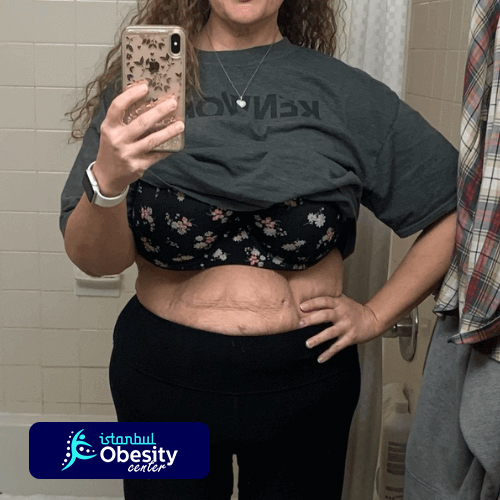
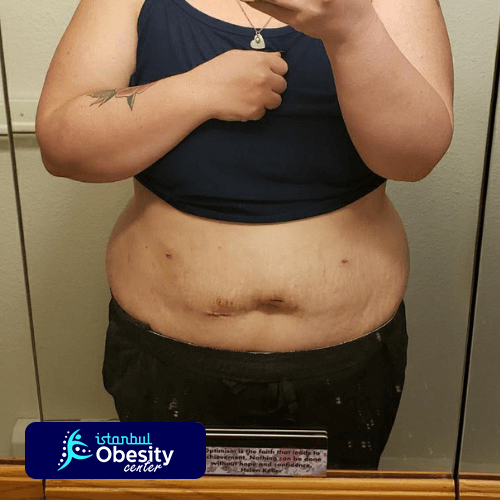

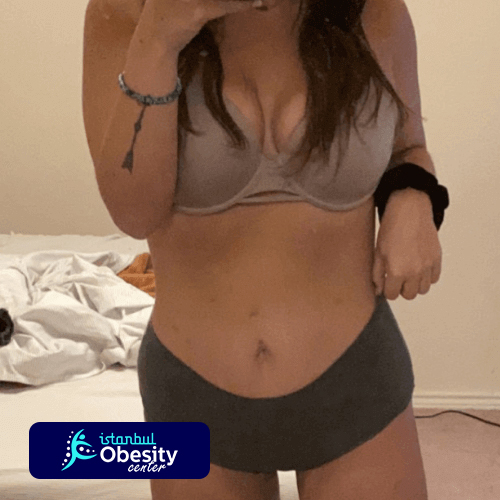
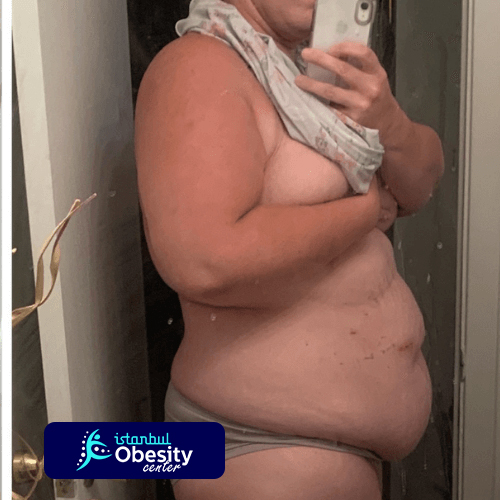
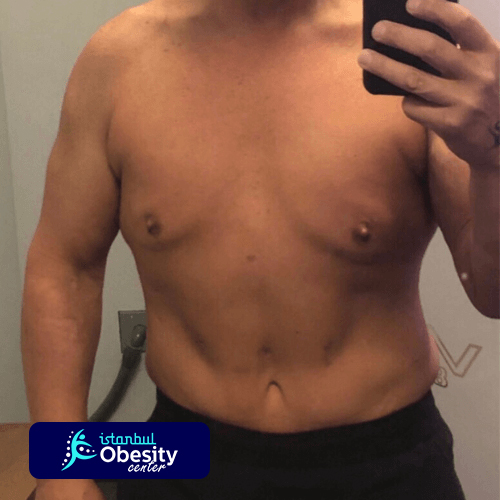
Every surgical or interventional procedure involves risks. Results can vary from person to person. Consult your physician for detailed information before a procedure.
Common questions about bariatric surgery scars
Will gastric sleeve scars disappear completely?
They may become much less noticeable, but complete disappearance is not something that can be promised. NHS scar guidance.
When can I start using silicone scar sheets?
Only after the skin is fully healed and your clinician confirms that they are suitable. An open, draining or irritated wound needs assessment first. Leeds silicone guidance.
Do fewer incisions mean a better operation?
Incision count alone is not a basis for choosing surgery. Ask why the planned approach suits your operation and what alternatives, risks and recovery needs apply to you. Sleeve gastrectomy patient information.
Can a treatment help an older scar?
A dermatologist can assess an older scar and discuss appropriate options. Scar type, symptoms and previous treatment matter when deciding what may help. AAD treatment guidance.
Questions to take to your surgical team
Before discharge, make sure you know how to care for each wound, who will review it and where to seek help after returning home. Ask when you can shower, resume activities and consider scar treatments. Keep the written answers with your discharge documents.
For more general preparation questions, browse our gastric sleeve questions and answers. To discuss arranging an assessment, contact Istanbul Obesity Center.