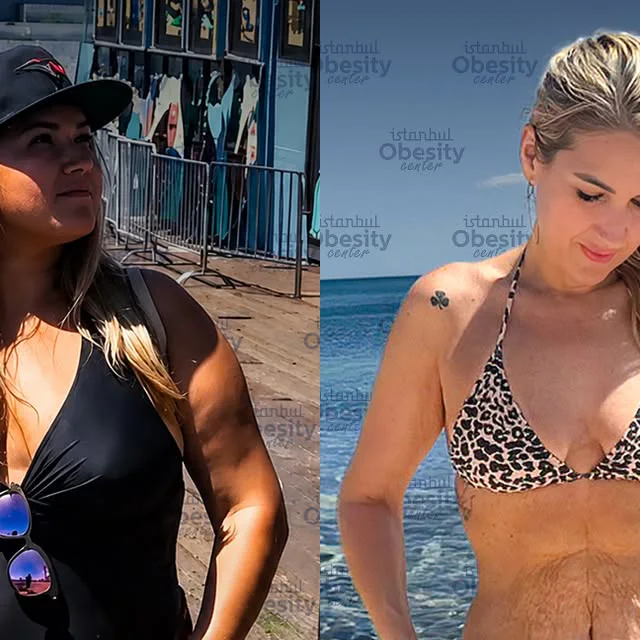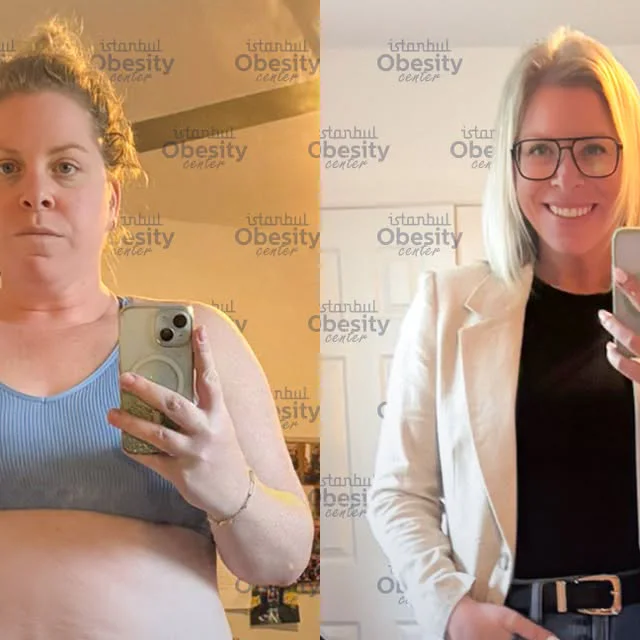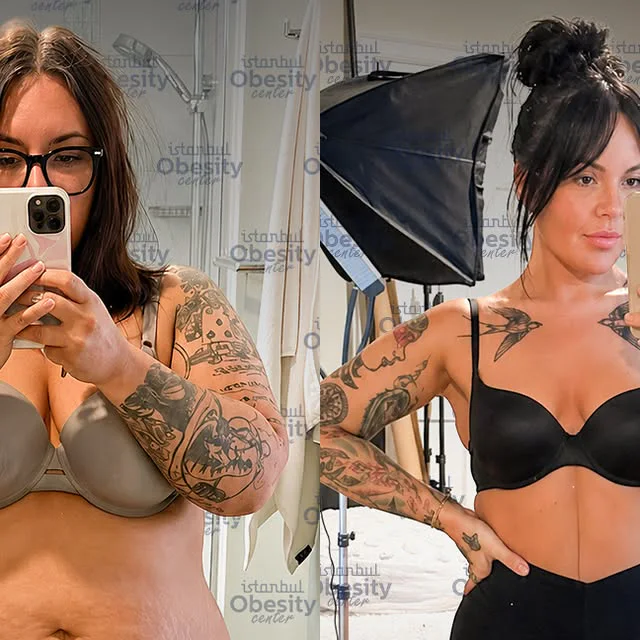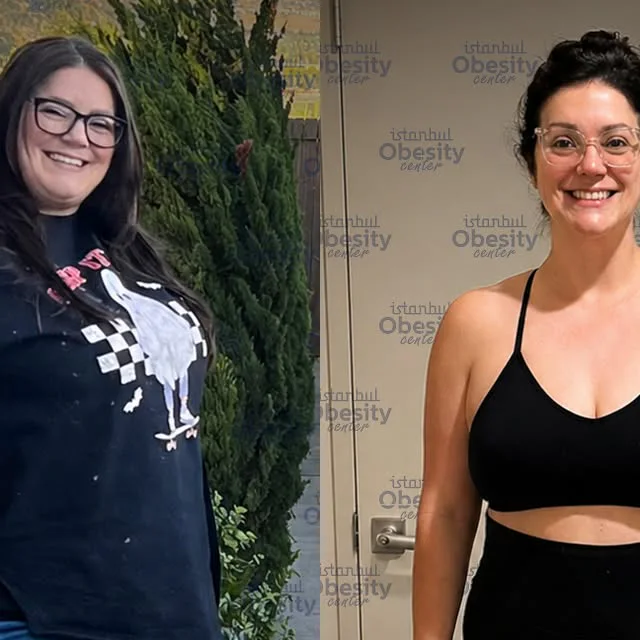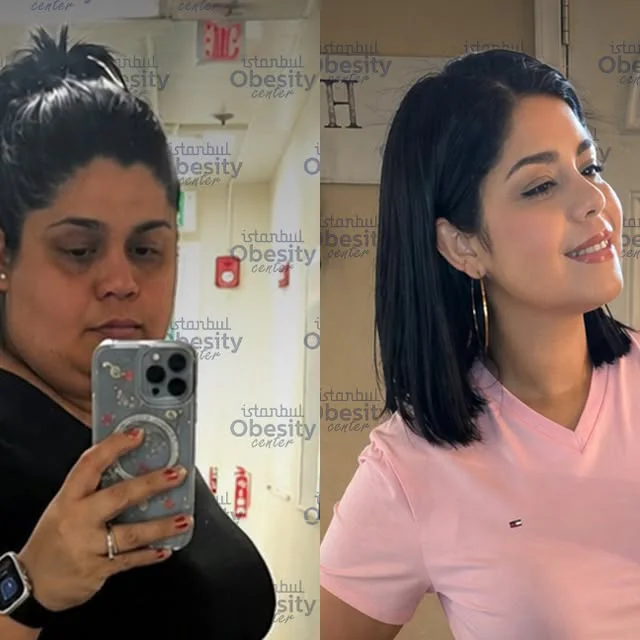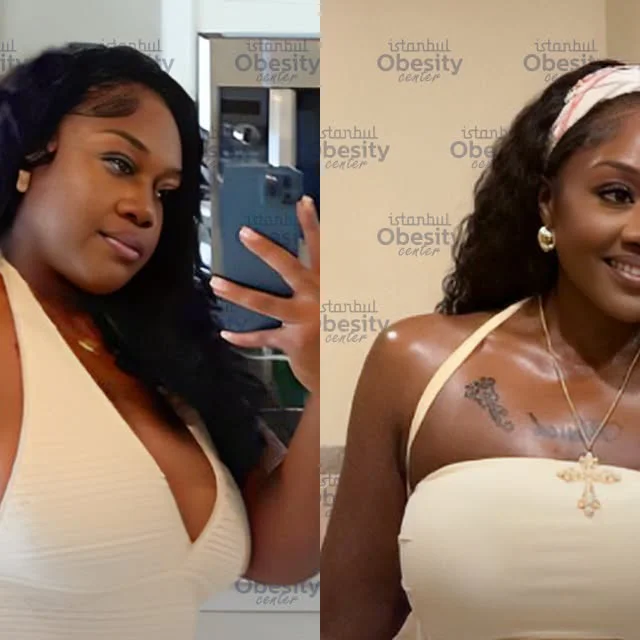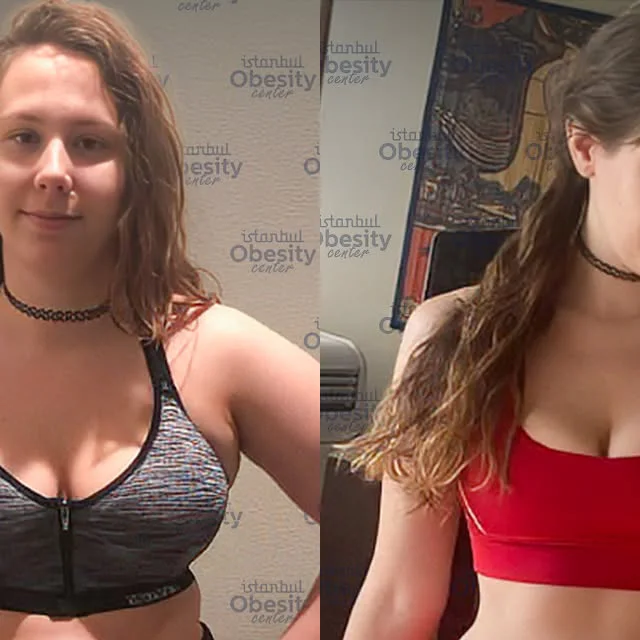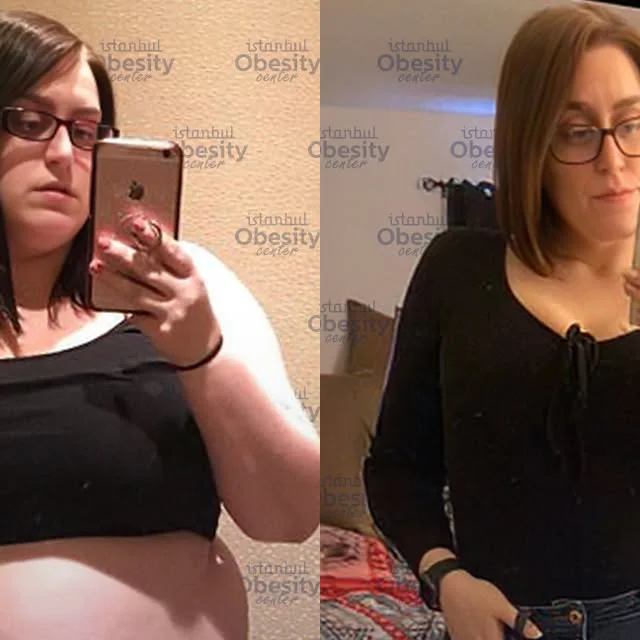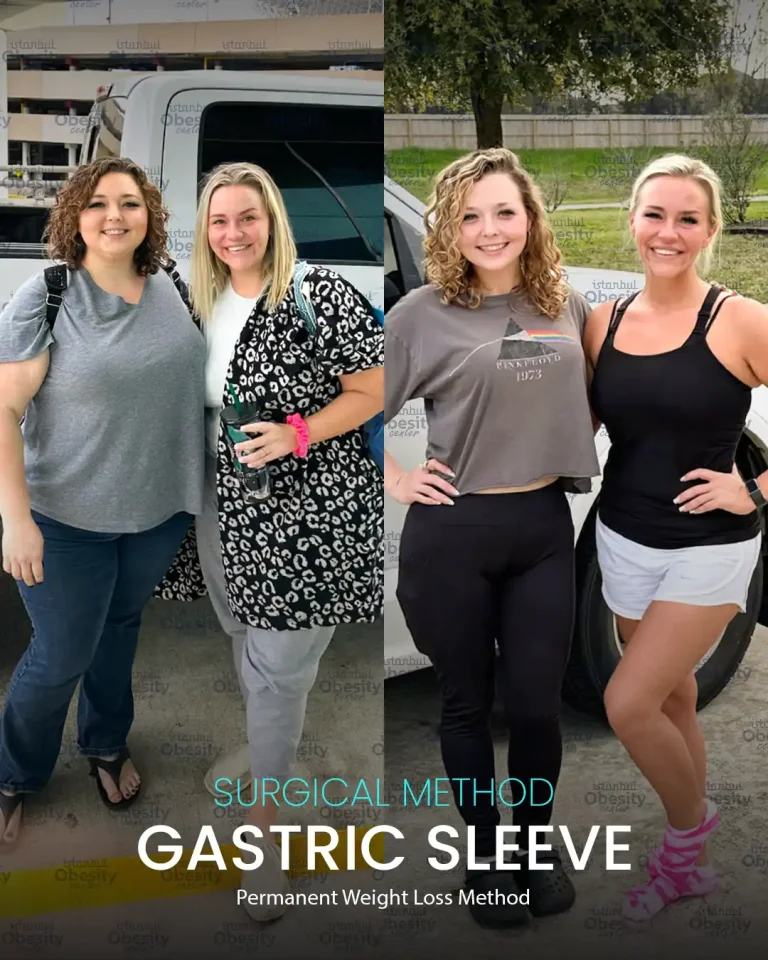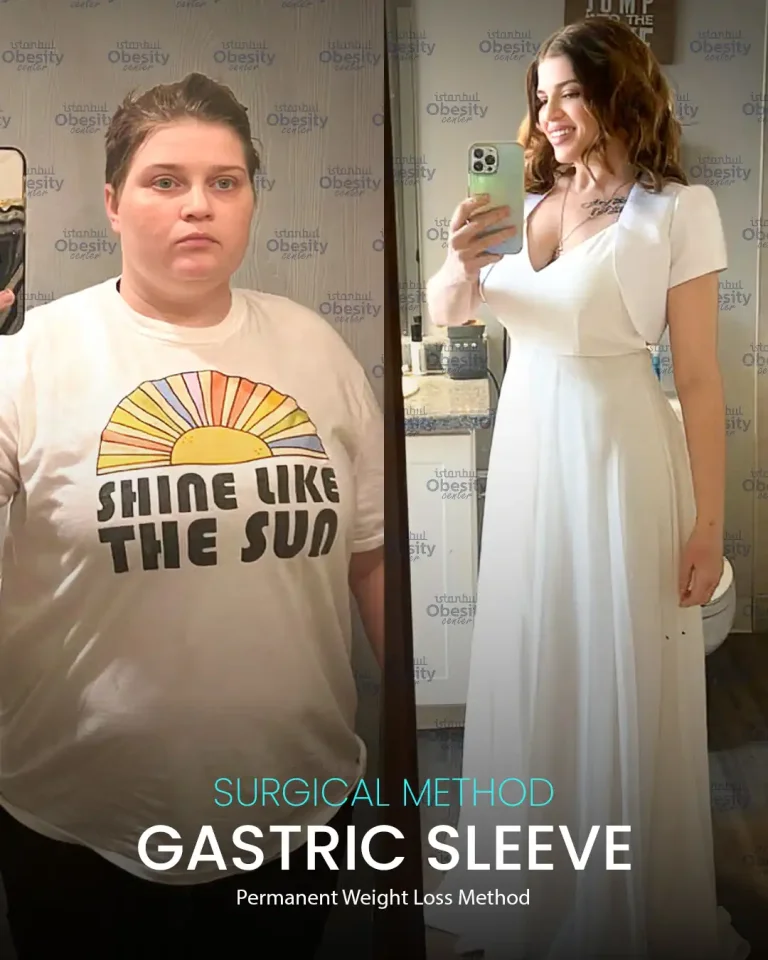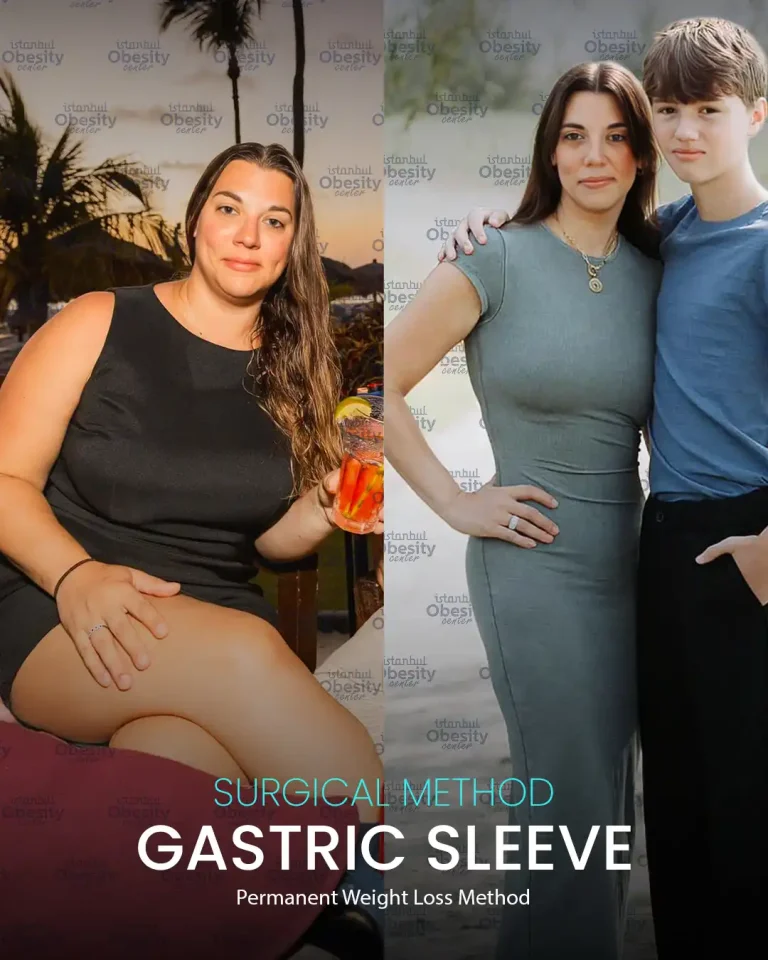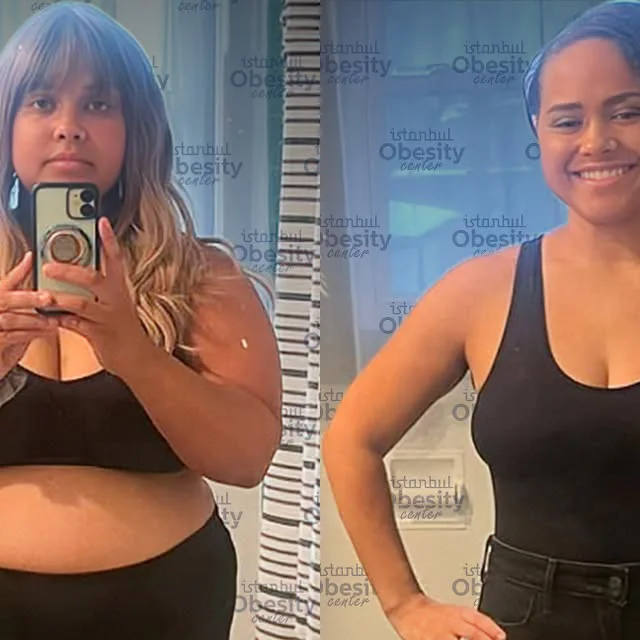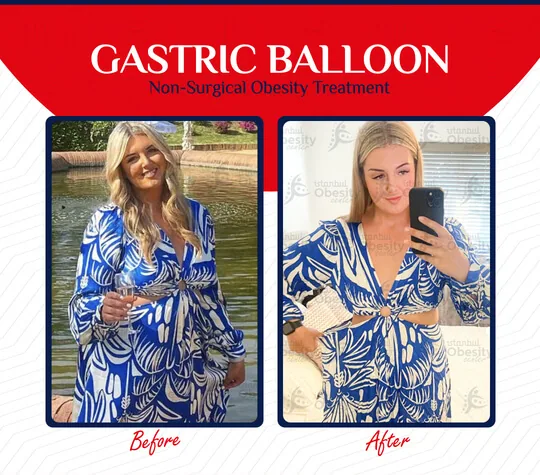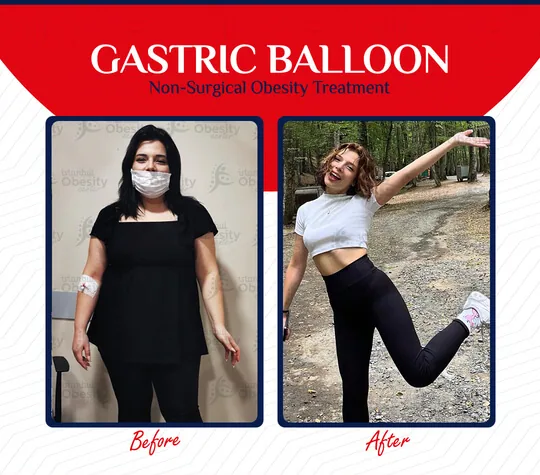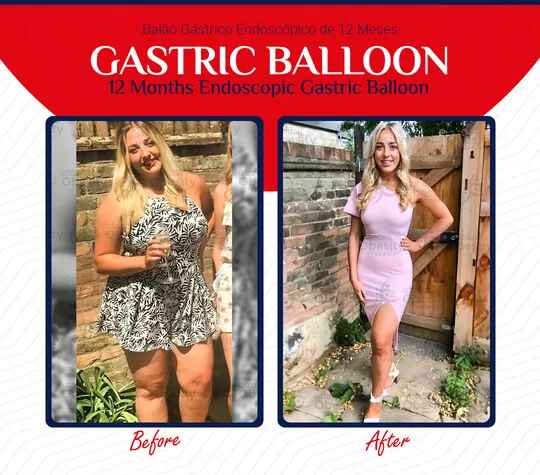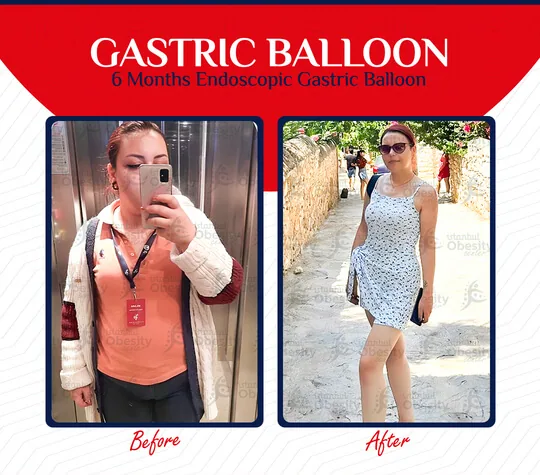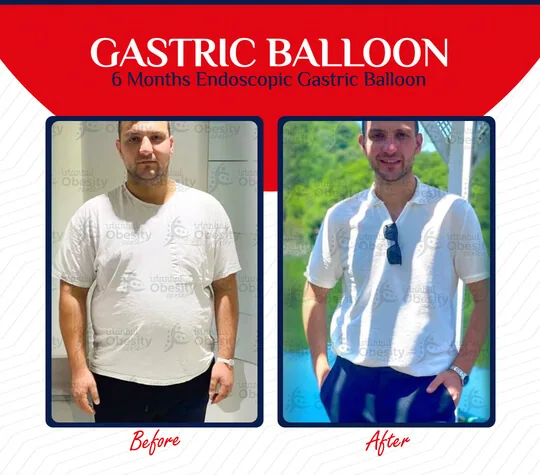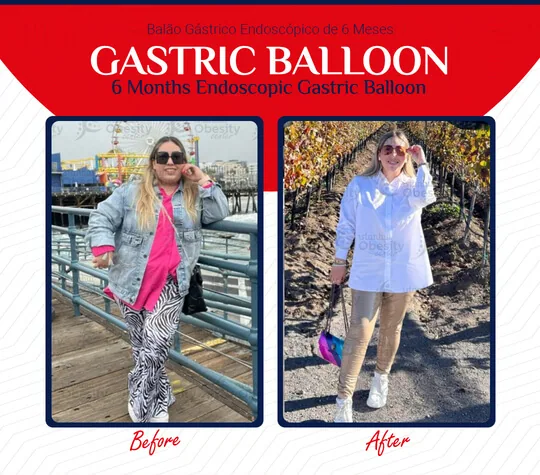
Gastric Sleeve Before and After: From 105kg to 68kg — A Real Patient Transformation
Real results from a real patient. Individual outcomes may vary.
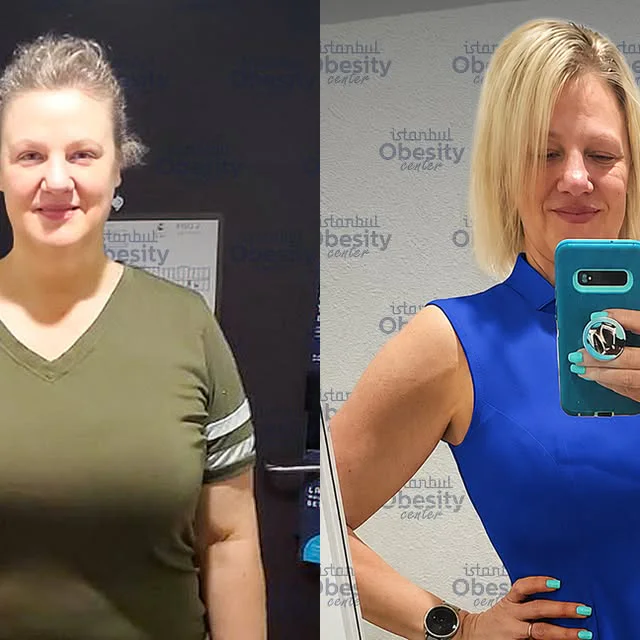
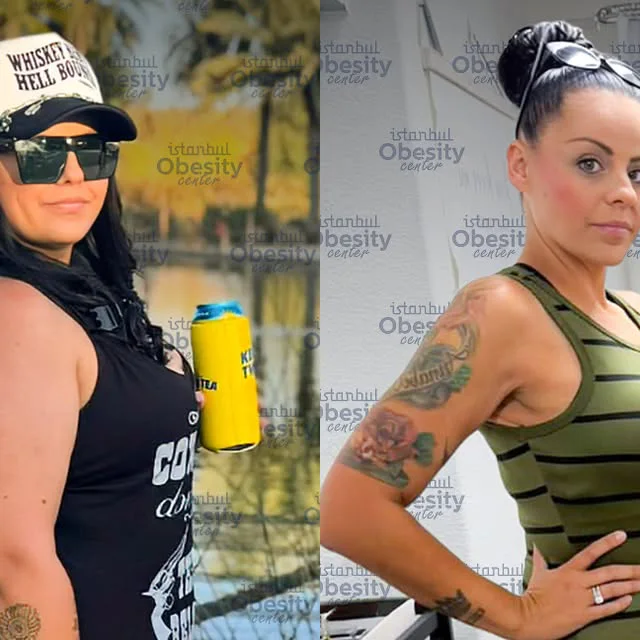
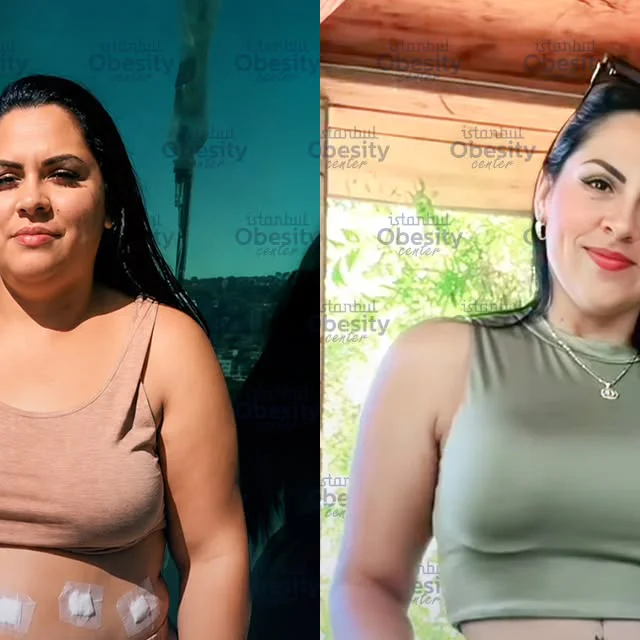
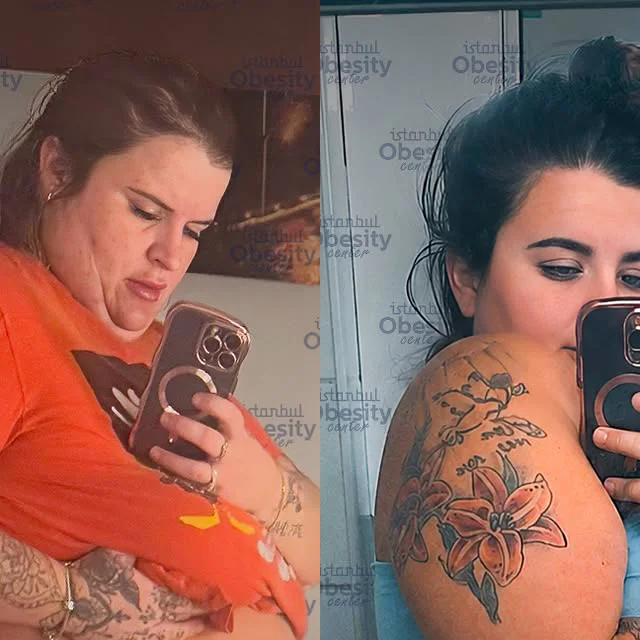
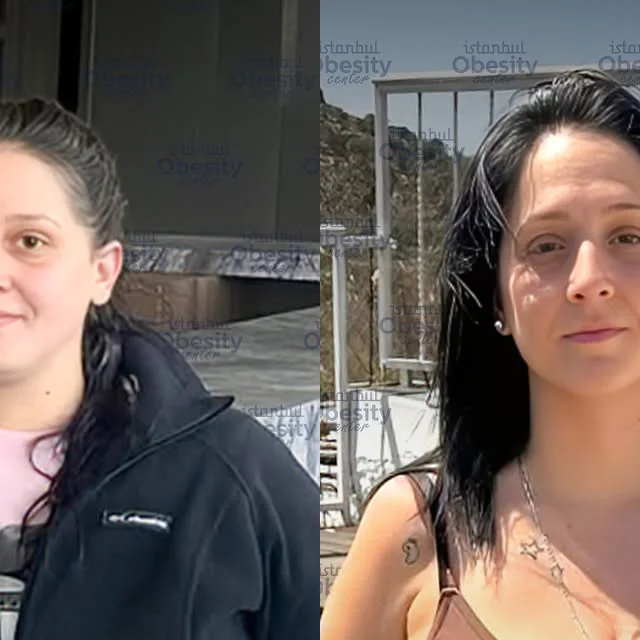
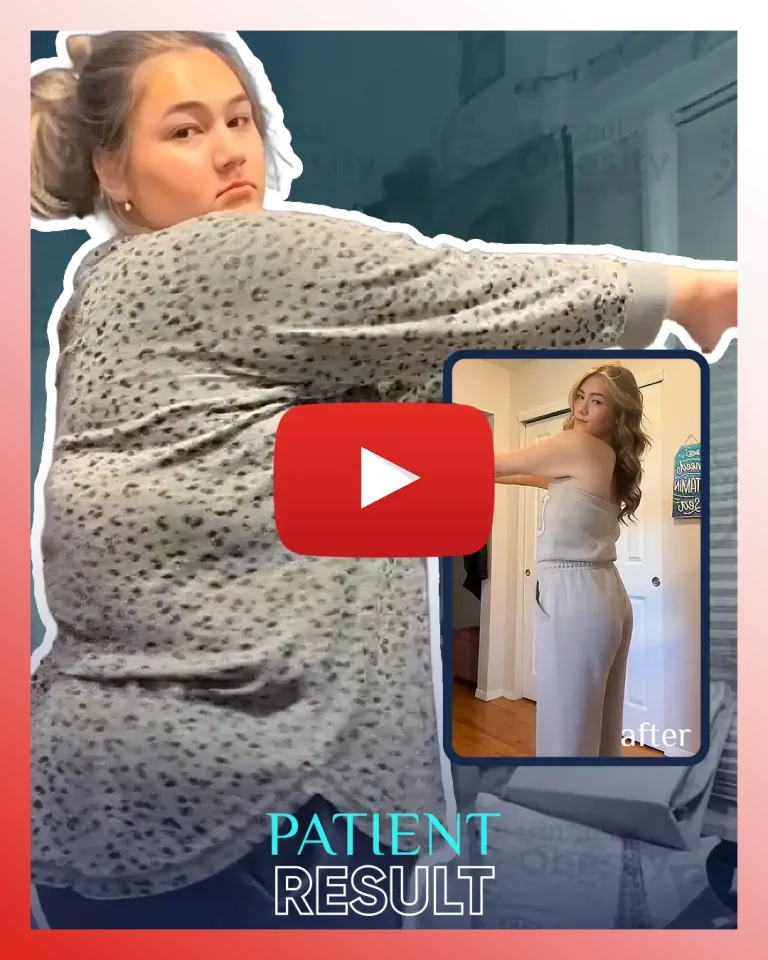
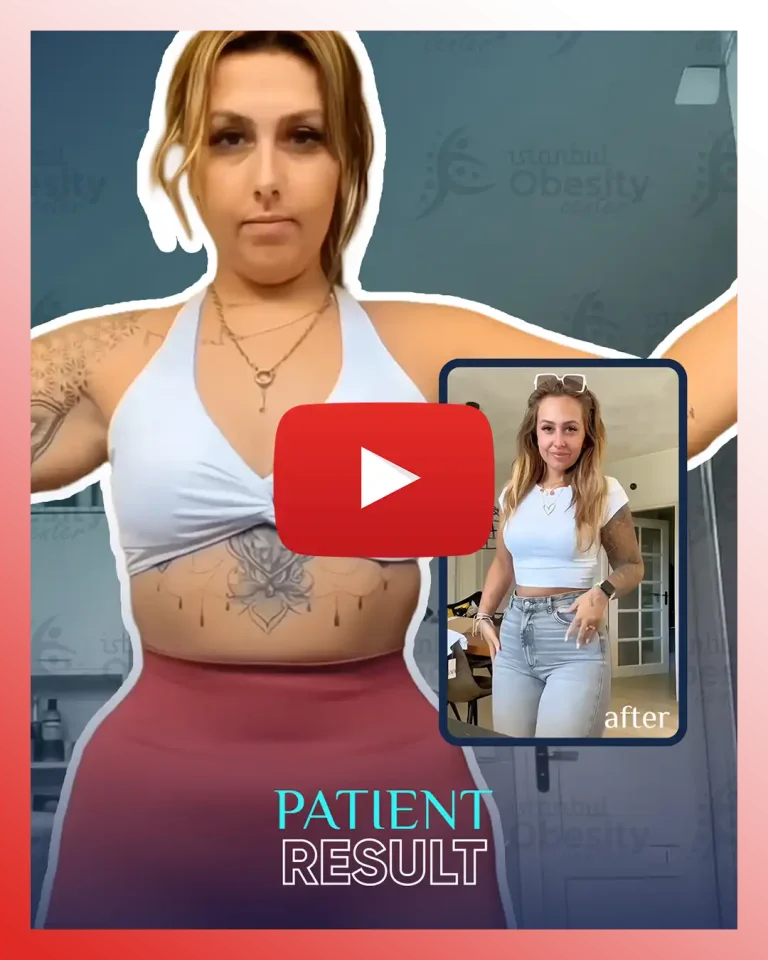
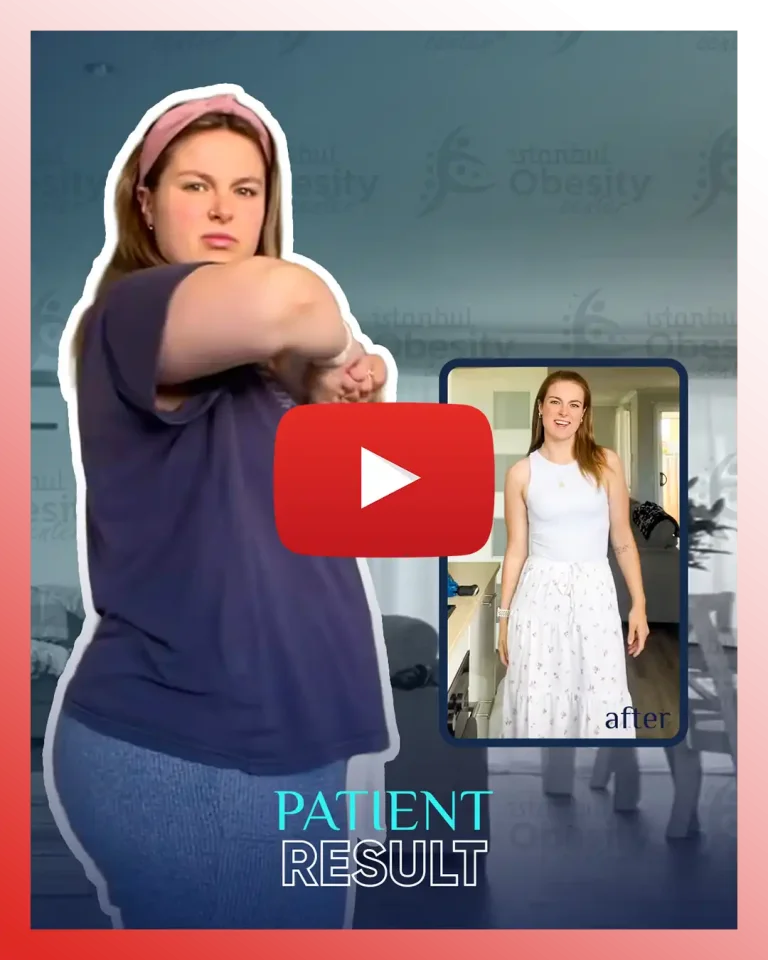
Starting at 105kg and now sitting at 68kg, this is one of the most honest and inspiring weight loss stories we have had the privilege of sharing at Istanbul Obesity Center.

This is not a highlight reel. This is the real journey — the plateaus, the hard work, the mindset shifts, and ultimately, the transformation that changed a life.
The Decision: Why Gastric Sleeve Surgery?
For many people struggling with obesity, the decision to undergo bariatric surgery is not made lightly. It often comes after years of trying every diet, every programme, and every promise — only to find that the weight keeps coming back.
That was exactly the case for this patient. After exhausting traditional weight loss methods, she made the decision to travel to Istanbul and undergo gastric sleeve surgery at Istanbul Obesity Center.
The gastric sleeve — also known as sleeve gastrectomy — works by removing approximately 75–80% of the stomach, reducing its size to a small sleeve-shaped pouch. This not only limits how much food can be consumed but also reduces the production of ghrelin, the hunger hormone, making it significantly easier to maintain a calorie deficit long-term.
Before Surgery: Life at 105kg
Before the procedure, daily life presented challenges that went far beyond the number on the scale. Shopping was a source of anxiety. Confidence was low. Energy levels made even simple activities feel exhausting.

She arrived at Istanbul Obesity Center ready for change — nervous, hopeful, and determined.
“I didn’t go through all of this to fail.”
That mindset would carry her through the months ahead.
The Surgery and Recovery
The gastric sleeve procedure was performed by our specialist bariatric surgeons in a fully equipped, modern hospital in Istanbul. As part of our all-inclusive package, every step was handled — from airport transfers and luxury hotel accommodation to post-operative care and nutritional support.
Recovery after gastric sleeve surgery typically involves:
- A liquid diet for the first 2–3 weeks
- A gradual transition to soft foods, then solid foods
- Regular follow-up appointments with our dietitian team
- Daily vitamin and supplement intake to support the body
The surgery went smoothly, and she was back home recovering with full support from the Istanbul Obesity Center aftercare team.
The Journey: Hard Work, Not a Magic Fix
One of the most important things she wants people to know is this:
The gastric sleeve is a tool — not a magic fix.
“I can still pig out and gain 5kg quickly if I’m not mindful. The tool helps, but you still have to do the work.”
This is something our medical team reinforces with every patient. The sleeve dramatically reduces stomach capacity and hunger, but building long-term healthy habits is what delivers lasting results.
For the first several months, the weight came off steadily. Then, at 72kg, she hit a four-month plateau — a frustrating but completely normal part of the post-surgery journey.
Breaking the Plateau: The Final Push
Plateaus are one of the most common challenges for bariatric patients. The body adapts, metabolism adjusts, and the scale stops moving. It can feel defeating — but it is not the end.
She refused to accept the plateau as her new normal.
“I told myself: nope — I want to see the 60s. I’ve never seen that number on the scales before.”
With renewed focus on her nutrition, she pushed through. One month later, the 60s finally appeared on the scale — a number she had never seen in her adult life.
Life After Gastric Sleeve: 68kg and Thriving
Now at 68kg, the transformation goes far beyond weight loss.
Confidence: She describes feeling more confident than ever before. The self-consciousness that used to follow her everywhere has largely faded.
Shopping: One of the most emotional changes — she can now walk into a store and find her size. Something most people take for granted, but for her, it is a milestone that still feels surreal.
Energy: Daily activities that once felt heavy are now effortless. She is more active, more present, and more engaged with the people she loves.
Goal: She is just 1kg away from being classified as a “normal weight” on the BMI scale for the first time in her life. While BMI is an imperfect measure, reaching that milestone carries enormous personal significance.
“Proud doesn’t even begin to cover it.”
Why Istanbul Obesity Center?
Patients from the UK, Ireland, Australia, and across Europe choose Istanbul Obesity Center for gastric sleeve surgery because of:
- Experienced bariatric surgeons with over 20 years of expertise
- All-inclusive packages covering surgery, hospital stay, hotel, transfers, and aftercare
- Transparent pricing — no hidden fees
- Dedicated patient coordinators available before, during, and after your journey
- Ongoing nutritional support from our specialist dietitian team
Our patients do not just lose weight — they gain their lives back.
Is Gastric Sleeve Right for You?
Gastric sleeve surgery is typically recommended for patients with a BMI of 35 or above, or a BMI of 30+ with obesity-related health conditions such as type 2 diabetes or high blood pressure. You can also explore our gastric bypass surgery option if you are looking for a more comprehensive procedure.
The best way to find out if you are a candidate is to speak directly with our medical team. We offer free consultations via WhatsApp, and our coordinators are available 24/7 to answer your questions.
Take the First Step
This patient started at 105kg and is now 37kg lighter — not because surgery did all the work, but because she committed to using the tool she was given.
If you have been considering gastric sleeve surgery in Turkey and want to see more real before and after results, or speak with someone who understands exactly what you are going through, we are here.
👉 Contact us on WhatsApp — free consultation, no obligation.
Results shown are from a real Istanbul Obesity Center patient. Individual weight loss results vary based on starting weight, lifestyle changes, and adherence to post-operative guidelines.