
IOC Editorial & Medical Information TeamPrepared with more than 22 years of bariatric-centre experience and checked against the official sources listed below. See our review process.
Instructions from your own surgical or prescribing team take priority over this general guide. Contact local emergency care for severe or rapidly worsening symptoms.
Key takeaways
- ESG reduces stomach volume with endoscopic sutures; sleeve gastrectomy surgically removes part of the stomach.
- Recovery and risk profiles differ, but suitability and expected benefit matter more than choosing the least invasive label.
- Both require nutrition, behaviour change and long-term clinical follow-up.
The main anatomical difference
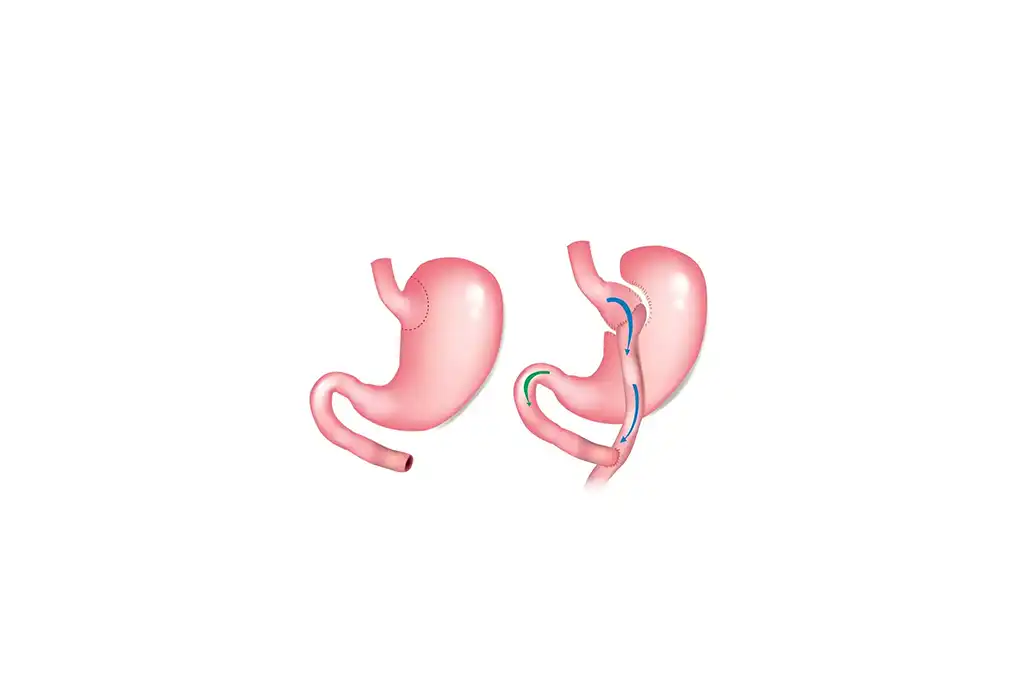
Endoscopic sleeve gastroplasty uses a flexible endoscope passed through the mouth to place full-thickness sutures that shorten and narrow the stomach. No stomach tissue is removed. Surgical sleeve gastrectomy is performed through abdominal keyhole incisions and permanently removes a large part of the stomach.
ESG is sometimes called an endoscopic sleeve, but it is not the same operation as sleeve gastrectomy.
Who may be considered
Eligibility depends on BMI, related disease, previous treatment, reflux, stomach anatomy, eating behaviour, anaesthetic risk and the person's goals. ESG may be considered for selected adults who need an endoscopic option; surgery may offer a more established and generally stronger weight-loss pathway for others.
A multidisciplinary assessment may also conclude that medication, another operation or non-procedural care is more appropriate.
Recovery and reversibility
ESG avoids abdominal incisions and usually has a shorter initial recovery, although nausea, pain and temporary dietary stages still occur. Sleeve surgery involves hospital recovery and carries surgical risks such as bleeding and leak.
ESG sutures can sometimes be revised or removed endoscopically, but the stomach can remodel and the procedure should not be presented as simply reversible. Surgical sleeve permanently removes tissue.
Results and trade-offs
Published outcomes are reported differently across studies, so direct headline comparisons can mislead. On average, sleeve surgery tends to produce greater weight loss, while ESG offers a less invasive pathway for appropriately selected people. Neither guarantees a particular number of kilograms or resolution of a health condition.
How to choose
Ask the team to explain why one pathway fits your diagnosis, what outcome measure they use, how reflux may change, what revision options exist and how follow-up will work after you return home.
- Compare total weight loss and excess weight loss carefully
- Discuss reflux and hiatus hernia
- Ask about anaesthesia and emergency cover
- Understand long-term vitamins, blood tests and dietitian support
- Choose after clinical assessment, not a procedure trend
Explore endoscopic sleeve gastroplasty
Review candidacy, procedure details, benefits, risks, recovery and personalised pricing.
Open treatment pageFrequently asked questions
Is ESG the same as gastric sleeve surgery?
No. ESG reshapes the stomach with endoscopic sutures; sleeve gastrectomy surgically removes stomach tissue.
Which option gives more weight loss?
Surgical sleeve generally produces greater average loss, but the clinically appropriate option depends on individual benefit and risk.
Can ESG be converted to surgery later?
A later surgical option may be possible, but prior sutures and stomach anatomy must be assessed by an experienced team.
Does ESG avoid all serious risks?
No. It avoids abdominal incisions but still has anaesthesia, bleeding, infection, pain and other procedure-related risks.
Sources
This article was checked against the following official clinical and regulatory sources at its latest update.
NICE — Endoscopic sleeve gastroplastyASMBS — Bariatric surgery procedures